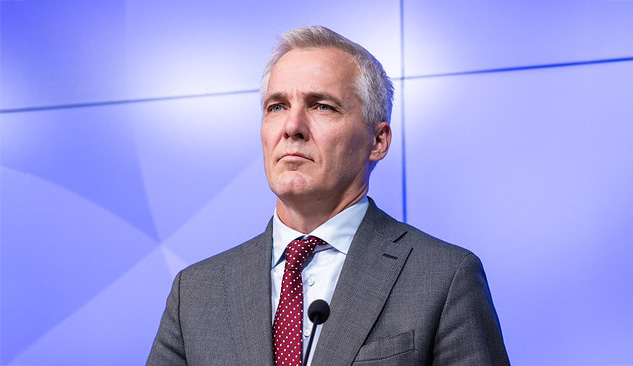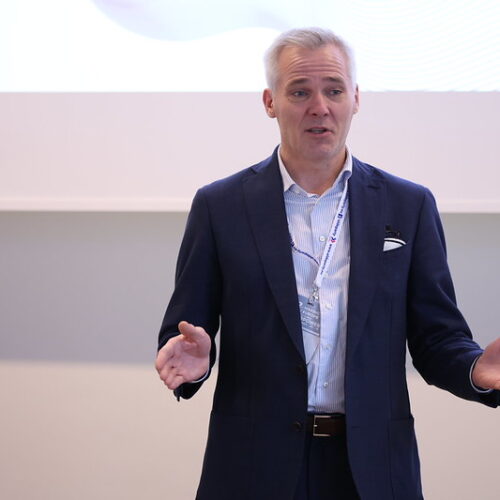

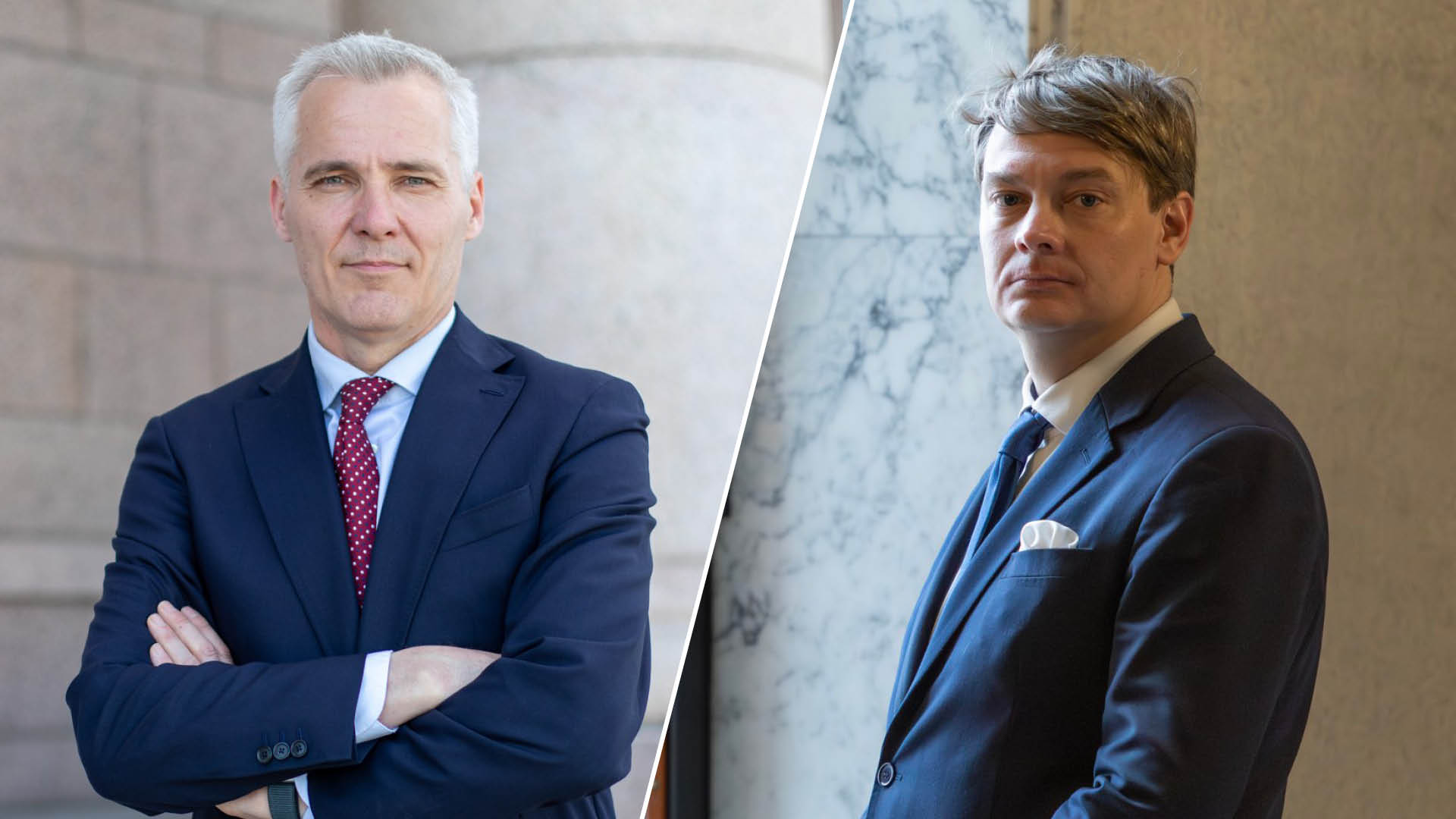

SFP’s Party President and Minister of Education Anders Adlercreutz, and the Chair of the Swedish Parliamentary Group Otto Andersson are of the opinion that the Act on the Financing of Wellbeing Services Counties must be reviewed and amended. They say that the huge deficiencies in the legislation have become all the more evident after a recent ruling by the Administrative Court of Eastern Finland, which stated that the 2025 budget for the South Karelia wellbeing services county, as well as its planned budget for 2026–2028, are unlawful.
“The South Karelian case must be a wake-up call to us all. All political parties must look in the mirror. The previous government passed an unsuccessful law on financing, but it is the current government that must now step up and fix the mistakes. The current situation is unsustainable, where fulfilling formal bookkeeping requirements appears to be more important than guaranteeing Finns’ rights to proper care. Instead of unproductive finger-pointing between the government and the opposition, Finns now deserve solutions,” exclaims PM Otto Andersson.
“The current interpretation of the law after the court’s ruling could lead to serious developments right across Finland. In practice, the welfare services counties’ decision-makers have two choices: either they are forced to draw up a budget with a deficit in order to secure services, which is not allowed, as the counties have to cover their own deficits; or they have to plan a break-even budget that implies very drastic cuts to services, which may jeopardise the people’s constitutional rights to social and health services. This is an entirely unsustainable situation,” says SFP Party President Anders Adlercreutz.
This conflict has led to uncertainty around how the law should be interpreted and implemented in practice.
“Already last spring, the Chancellor of Justice stated that the wellbeing services counties cannot choose not to offer statutory services, even though they are required by law to cover their own deficits. Now is the time to take this seriously,” Andersson explains.
“Funding must be more predictable than it currently is. The existing system makes it hard for the wellbeing services counties to know exactly how much they will receive. For example, changes in the number of diagnoses in one wellbeing services county cause changes to the funding of other counties. The financing forms the basis for all operations and therefore it must be based on long-sightedness and predictability. Additionally, the number of factors that affect it must be revised,” Adlercreutz admonishes.
Over-diagnosing leads to injustice between the counties
The wellbeing services counties are granted funding from the state based on their populations and certain factors that describe the need for social and health care services. One of the factors is the number of diagnoses reported by the country. The system has caused deep concern, as it can incentivise counties to make more diagnoses than necessary.
“It has become clear that the existing system encourages a wellbeing services county to over-diagnose patients. This benefits neither the patients nor the care system as a whole. The wellbeing services counties’ funding must be based on people’s actual needs. We need a system that rewards good care and preventive efforts, not statistical figures,” says Adlercreutz.
“Currently we are rewarding the areas that make the most diagnoses, which is both unsustainable and unfair. When funds are divided on misleading grounds, resources are taken away from people who actually need them,” Andersson adds.